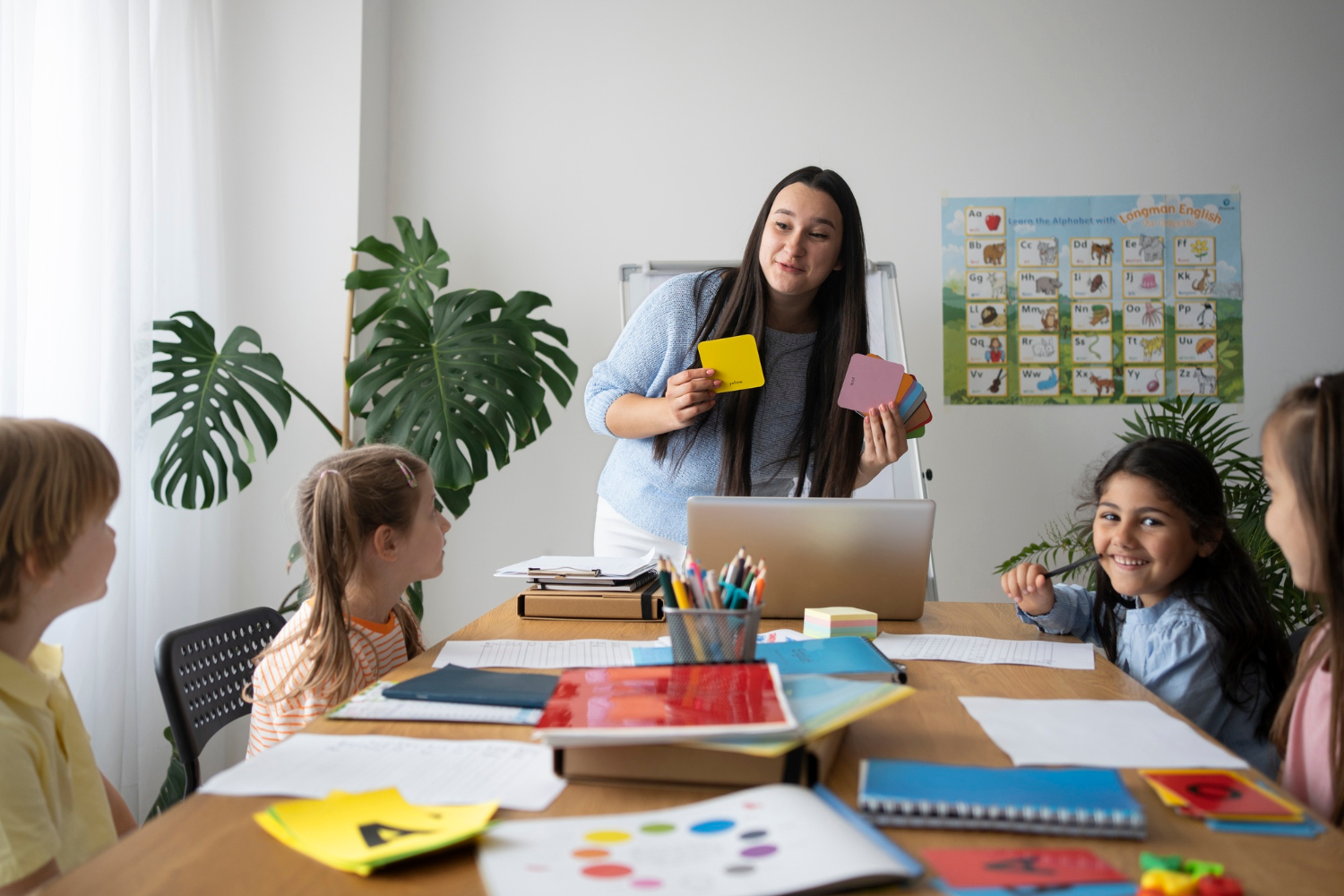
Early learning centers play a vital role in shaping the educational foundation of young children, setting the stage for lifelong curiosity and growth. These centers are evolving beyond traditional models to offer innovative, holistic approaches that nurture both academic and emotional development. Programs exemplify how community-based initiatives can blend structured learning with play, creativity, and cultural awareness. By focusing on individualized attention and modern teaching strategies, they’re redefining what quality early education looks like. This article explores how local early learning centers are transforming education and preparing children for a bright, well-rounded future.
A Shift from Rote Learning to Discovery
 Gone are the days when early education meant memorizing songs or repeating phrases. Today’s local institutions encourage discovery through play and experimentation. Teachers are acting more like guides than instructors, helping children learn by exploring their environment. Activities such as painting, building, or storytelling are designed to develop problem-solving skills and emotional intelligence at the same time. This new approach emphasizes that learning should feel natural and joyful.
When children connect fun with education, they retain information more easily and stay curious longer. This curiosity becomes a lifelong habit that fuels continuous growth. By turning classrooms into places of imagination and participation, local early learning institutions are redefining what successful early education looks like.
Supporting Emotional and Social Growth
Modern education recognizes that academic learning alone is not enough. Emotional intelligence and social awareness are equally important. Local early learning centers now integrate emotional education into their programs through activities that teach empathy, communication, and cooperation. Simple moments like group play, sharing materials, or helping a classmate become lessons in compassion and teamwork. Children who experience this balanced development are better equipped to handle challenges as they grow. They learn how to express feelings, respect others’ perspectives, and manage frustration in healthy ways. These are skills that build resilience and confidence, which are qualities that set the foundation for lifelong success both inside and outside the classroom.
Integrating Families and Communities
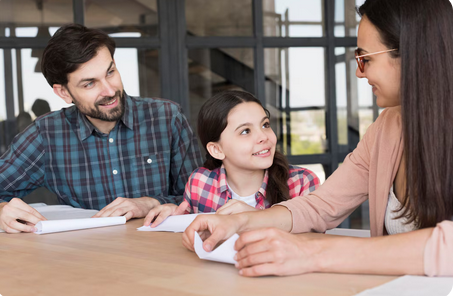
A major transformation happening in local early learning institutions is stronger family and community involvement. Parents are no longer passive observers but active partners in their child’s educational journey. Schools are hosting workshops, open days, and family activities that help parents understand and support learning goals at home. Communities, too, play a key role. Local organizations and businesses often collaborate with early learning centers to provide educational resources, events, or exposure to local culture. This creates a holistic support network around every child. When education connects the classroom with the community, children grow up with a stronger sense of belonging and purpose.
Local early learning institutions are leading a quiet revolution in education. By combining creativity, emotional intelligence, family involvement, and smart technology, they are creating environments where children love to learn. These programs prove that education does not have to be rigid to be effective. Instead, it thrives when curiosity and connection are at the center. As these institutions continue to evolve, they are not just preparing children for school—they are preparing them for life.